A label tells you more about a wine than it seems, as long as you know where to look. Traditions differ from country to country, but the key details are almost always there.
Place or grape
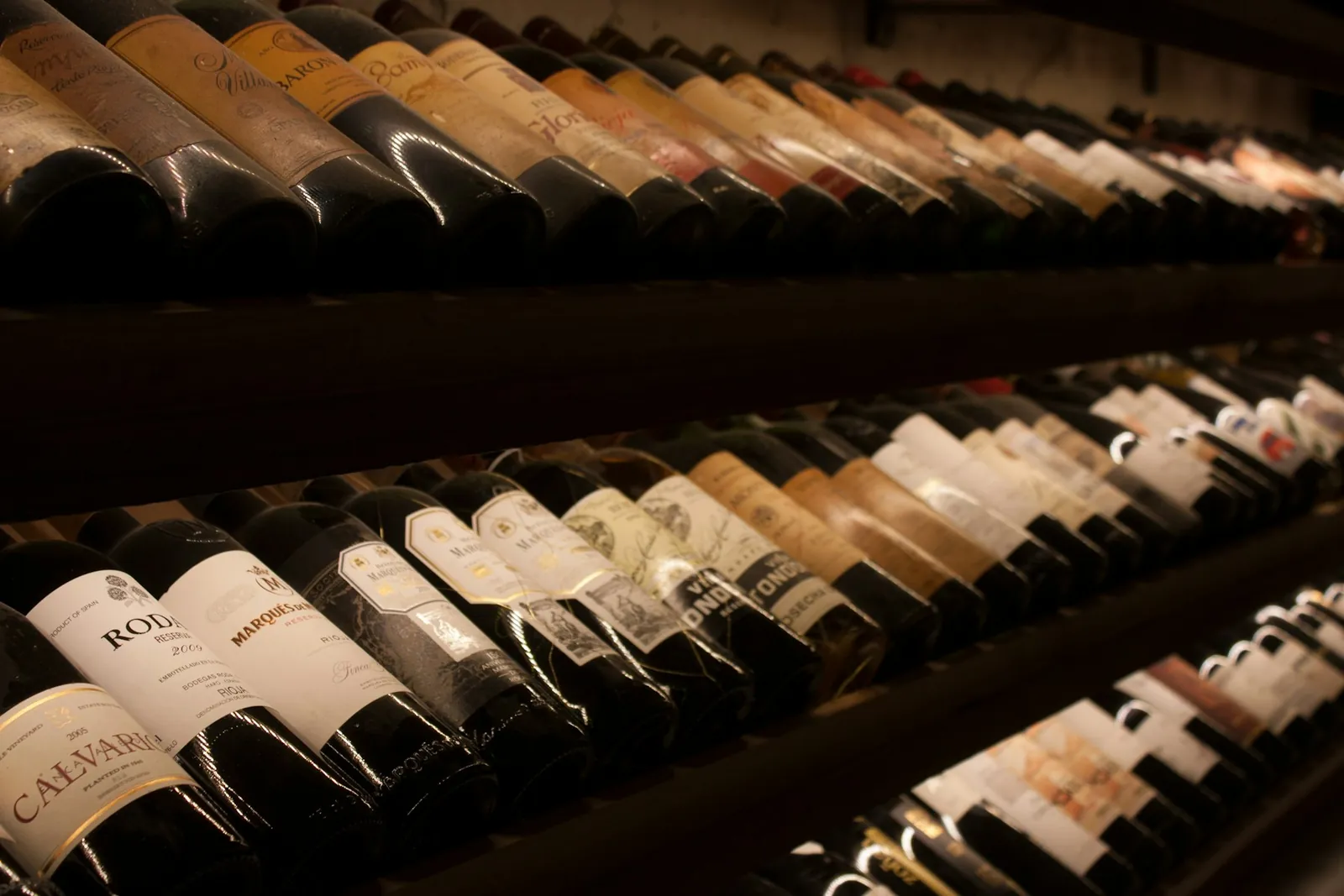
New World wines (the USA, Australia, Argentina, New Zealand) are usually named after the grape: "Chardonnay", "Malbec". European wines are often named after the place: Bordeaux, Chianti, Rioja. The grape is implied by the rules of the region.
Vintage
The vintage shows when the grapes were picked. Freshness matters most for whites and rosés, so younger is usually better. For reds and aged wines, the year hints at whether the wine is ready to open.
Strength and sweetness
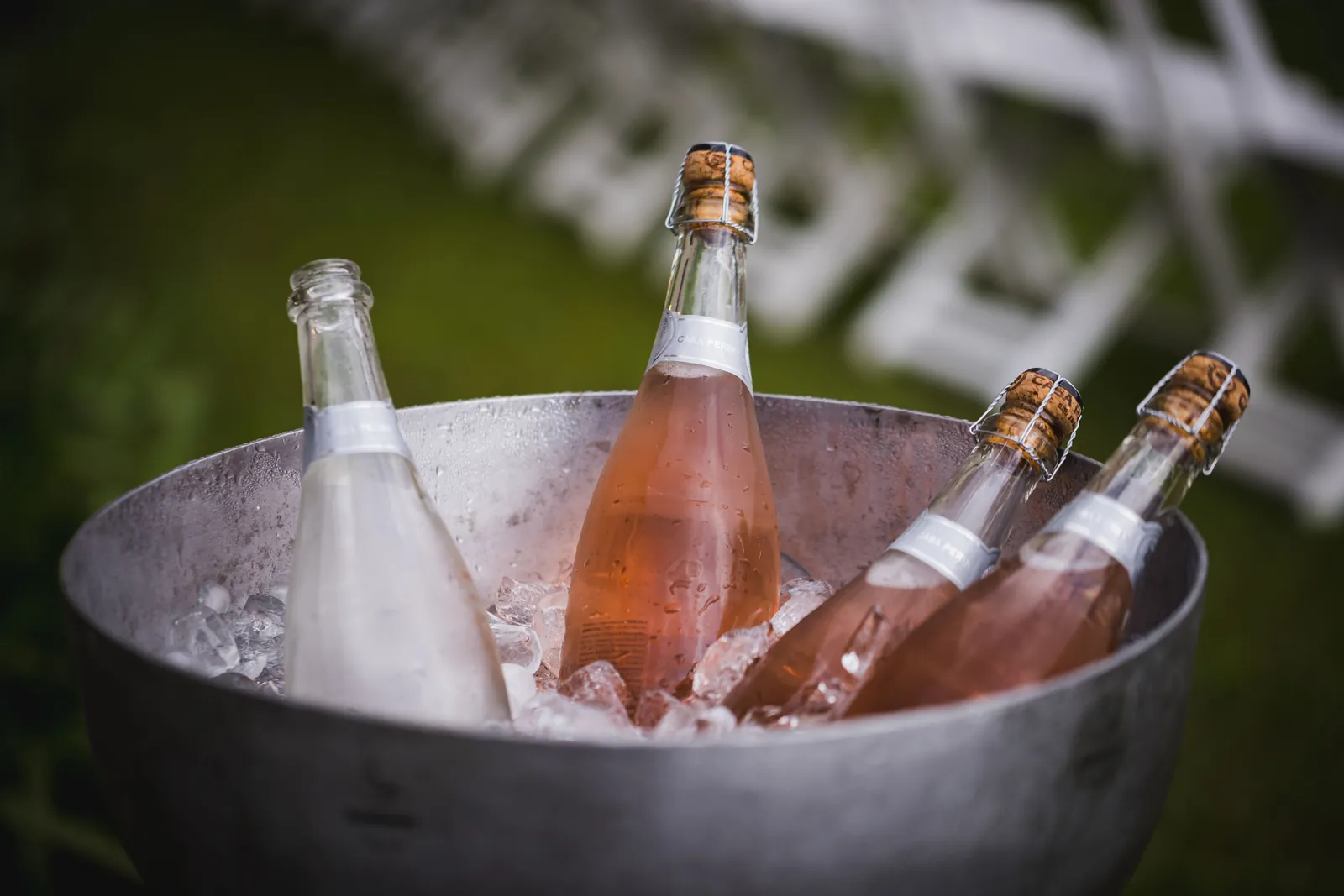
Alcohol hints at the style: 11-12% usually means a light wine, 14% and above a full, warm one. Sweetness is written in words: dry, off-dry, medium sweet. Sparkling wines have their own scale: brut nature, extra brut, brut, demi-sec.
What you can skip
"Reserva" and "Gran Reserva" have a strict meaning only in some countries, such as Spain and Italy. Elsewhere they are just the name of a range. Medals on the label are also worth taking calmly: there are a great many competitions.