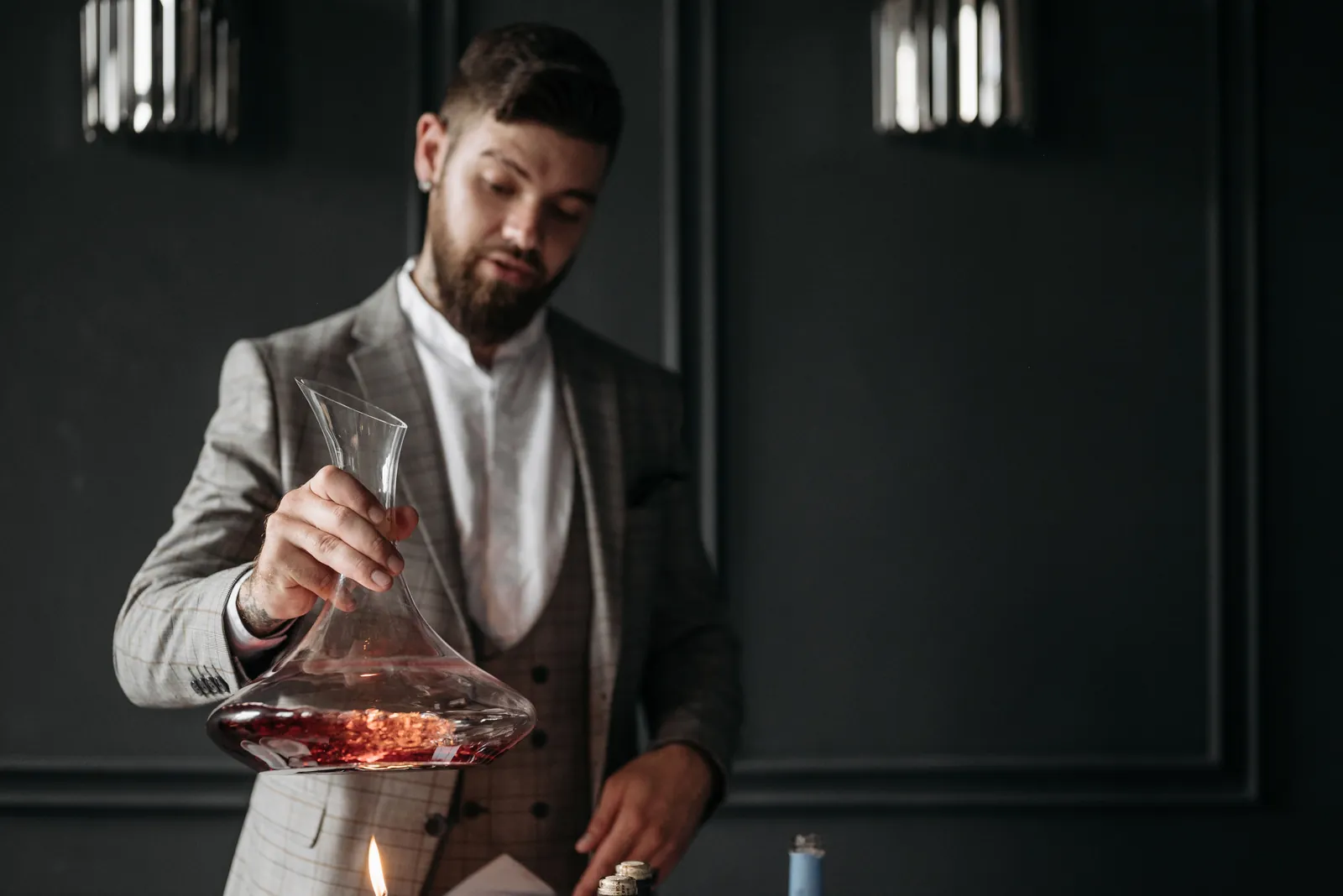
Decanting simply means pouring wine from the bottle into another vessel. It is done for two reasons: to let the wine breathe or to separate the sediment. The goals are different, and so is the approach.
To open the wine up
Young, full-bodied reds with firm tannins become softer and more aromatic after 30-60 minutes in a decanter. This goes for cabernet sauvignon, nebbiolo, syrah and oak-aged tempranillo.
To remove sediment
Aged reds and fortified wines throw a sediment over time. Stand the bottle upright for a day, then pour slowly against a light and stop when the sediment reaches the neck. These wines are best drunk soon after decanting.
When there is no need
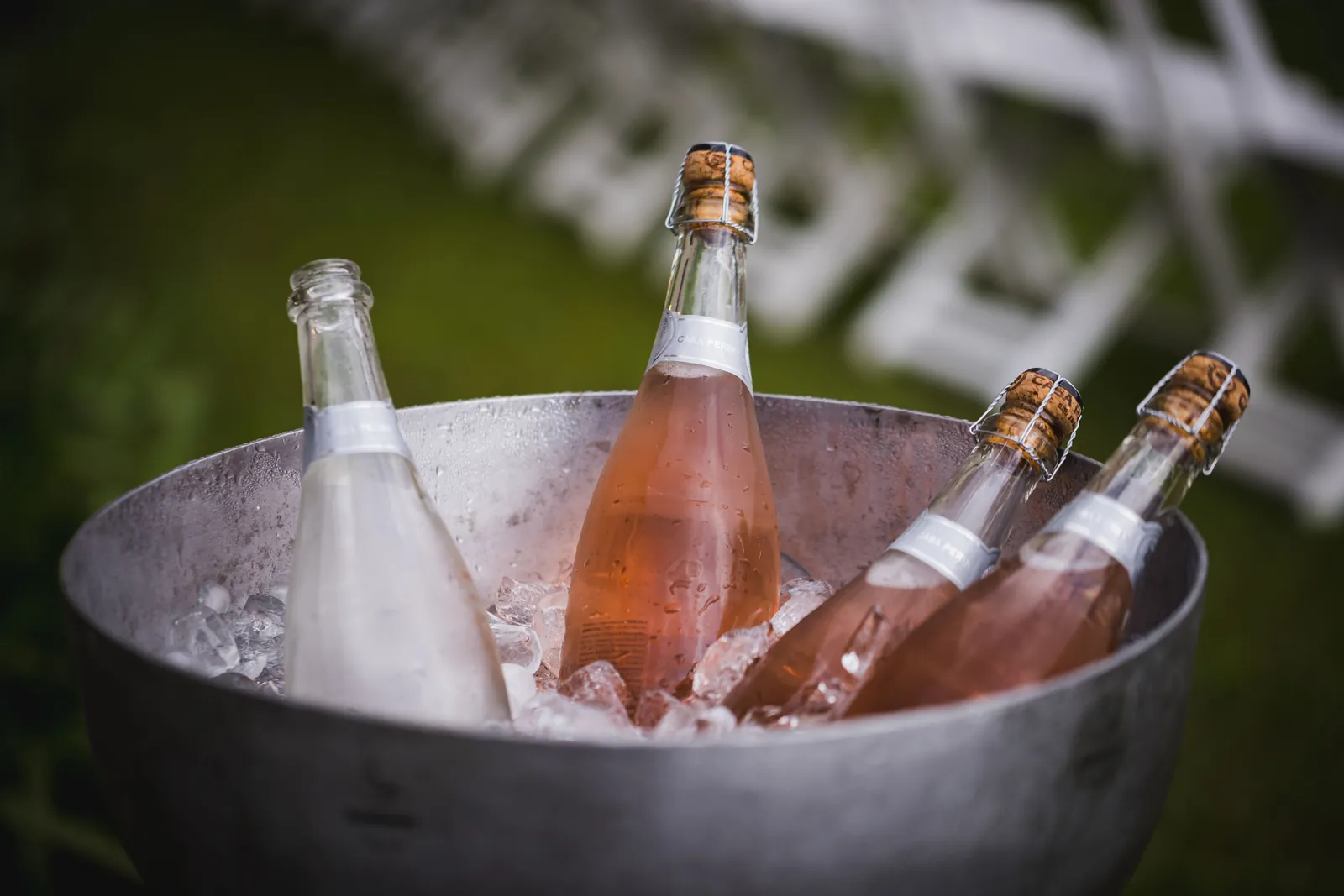
Light whites, rosés and most sparkling wines do not need decanting. For very old, delicate wines, a long time in the air can do harm: an aroma that has lasted for decades can fade in half an hour.
No decanter?
Any clean glass carafe will do. Failing that, pour the wine into glasses in advance and let it stand for 10-15 minutes.