Not long ago a screw cap was seen as the mark of a simple wine. Today it seals expensive wines too, especially in New Zealand and Australia. Each closure has its advantages.
Natural cork
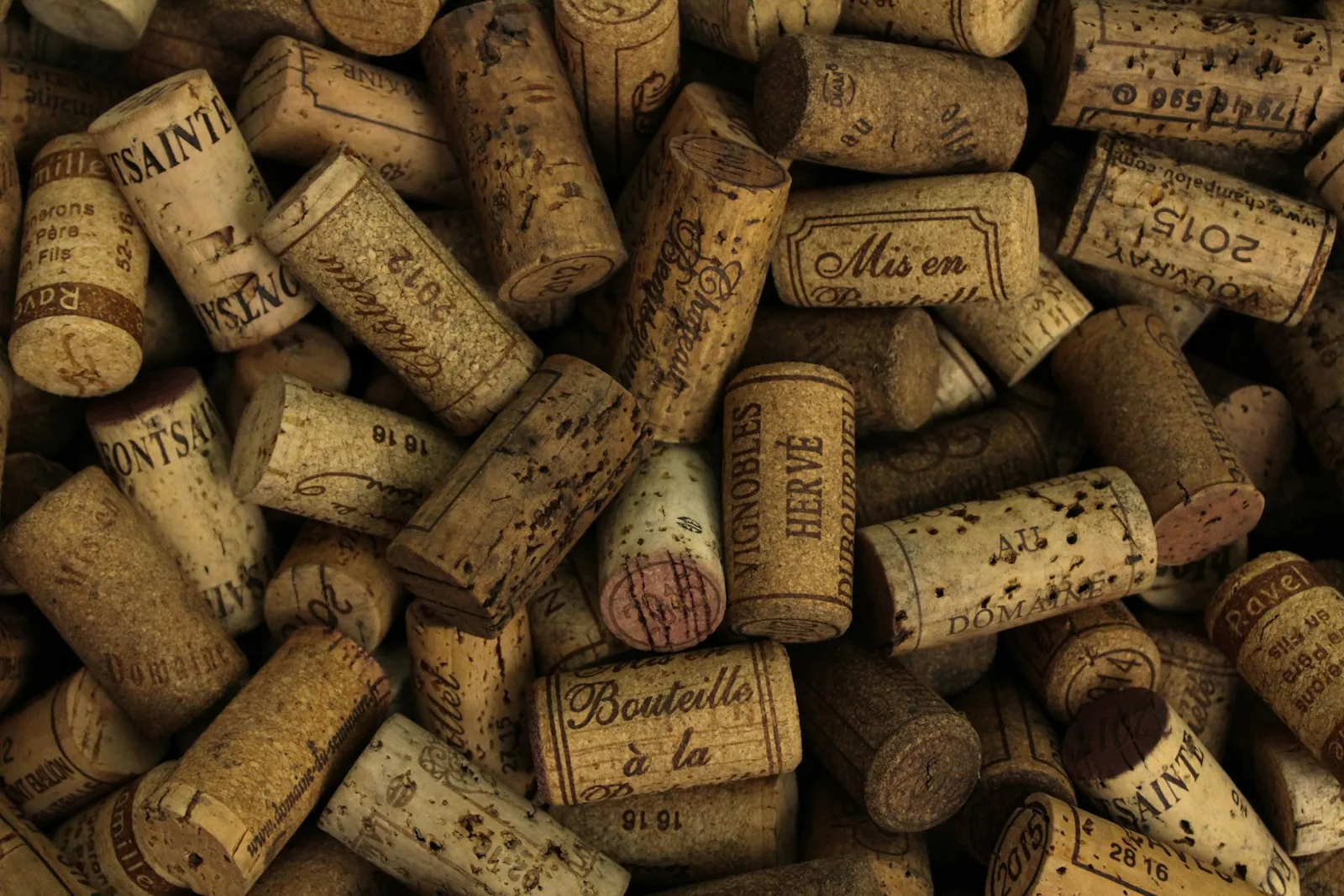
Cork is made from the bark of the cork oak. It lets in a tiny amount of oxygen, which helps a wine develop slowly over long ageing. The downside: a small share of corks carry a compound that gives a musty smell. Such a wine is called "corked".
Screw cap
A screw cap lets in almost no oxygen and cannot cause cork taint. The wine keeps its freshness and aroma, which is why it is popular for whites and rosés meant to be drunk young. The bottle opens without a corkscrew.
Which to choose
For a wine that will be drunk in the next few years, the closure hardly matters. For reds meant to age for decades, cork is the traditional choice. Bottles with cork are stored lying down; screw-capped ones can stand.